
 Available in US
Content
The Market That Trades More Than the Matchwinner
A colleague at NFL Sports Betting Stats put it crisply in a recent analytical brief: most UK punters arriving at NFL from football are surprised that the totals number is a real bet rather than a sideshow – on a Premier League fixture the totals market is usually quiet, but on an NFL fixture it is frequently the most-traded line on the slip. The first time I watched an NFL total move four full points across a Saturday because of a forecast change in Buffalo, I understood what he meant.
Totals – the over-under on combined points by both teams – are where the NFL betting market does its most interesting work. The number compresses everything: pace, weather, coaching philosophy, injuries to skill players, even officiating tendencies. Online real-event betting GGY in Q4 2024-25 reached £596 million in the UK, up 5% year on year, and a meaningful share of that volume sits on totals markets across American sports. The number gets respected. So should your approach to it.
How a Total Gets Built
A total starts with each team’s expected points scored, adjusted for the opponent’s defensive efficiency, then nudged by venue, weather, expected game script, and the bookmaker’s view of public sentiment. By the time you see 47.5 posted at a UK book, perhaps thirty inputs have gone through a model and a trader’s manual override. Your job is not to rebuild the model. Your job is to spot the input the model under-weighted.
Two teams averaging 24 and 22 points respectively, playing in a dome, neutral defensive matchup – that gets you a baseline near 46. Move them outdoors with a 20 mph crosswind forecast and the same matchup might open at 42. Slide in a backup quarterback for one side and you could be looking at 38. Each adjustment is rough, and a trader at a major UK book is making those adjustments in real time as news breaks Thursday and Friday. The retail punter often sees the line a day too late.
What Weather Actually Does to a Total
The single most over-discussed and under-quantified factor in NFL totals is weather. Most articles you read on the topic will tell you that rain hurts the over. Most articles you read on the topic are barely scratching the surface.
Rain matters less than the public thinks. Modern footballs, modern gloves, modern quarterbacks raised on indoor combines – rain alone moves a total a point, maybe two, almost never more. Cold matters more than people credit. Below freezing affects ball handling on both sides and depresses kicking accuracy from beyond 40 yards, which costs both teams scoring drives that would have ended in field goals.
Wind is the one that genuinely moves the needle. A sustained 15 mph crosswind reduces deep passing efficiency materially. A sustained 20 mph wind in either direction collapses the deep ball entirely and pulls both teams into shorter, slower drives. I have logged twelve totals over the past three seasons where the wind forecast moved from under 10 mph on Friday to over 18 mph on Sunday morning and the line dropped by 3 points or more. The under cashed in eight of them. Not a sample size to retire on, but consistent with what the underlying physics suggest.
Pace, Pass Rate and the Coaching Variable
Two teams averaging 25 points each can produce a 50-point game or a 38-point game depending almost entirely on how many possessions each side runs. Pace is measured in seconds per snap when on offence and in plays per game when adjusted for game state. A team running a play every 25 seconds in neutral situations will generate two or three more possessions per game than a team running every 30 seconds. Each extra possession is, on average, worth around 1.5 points of scoring expectation. Two extra possessions per side equals six points on the total. That is a real edge if the book has not fully priced it.
Pass rate amplifies the pace effect. Pass plays stop the clock on incompletions, generate more first downs in modern NFL, and produce both more touchdowns and more interceptions. A pass-heavy team in a pass-friendly script is the cleanest over signal in the game. A run-heavy team protecting a lead is the cleanest under signal. Coaching tendencies – does this head coach pass with a lead or run? does he go for it on fourth down in plus-territory? – sit underneath every total a bookmaker posts. The retail line often catches the obvious tendencies and misses the recent shifts.
Defensive Matchups Nobody Looks At
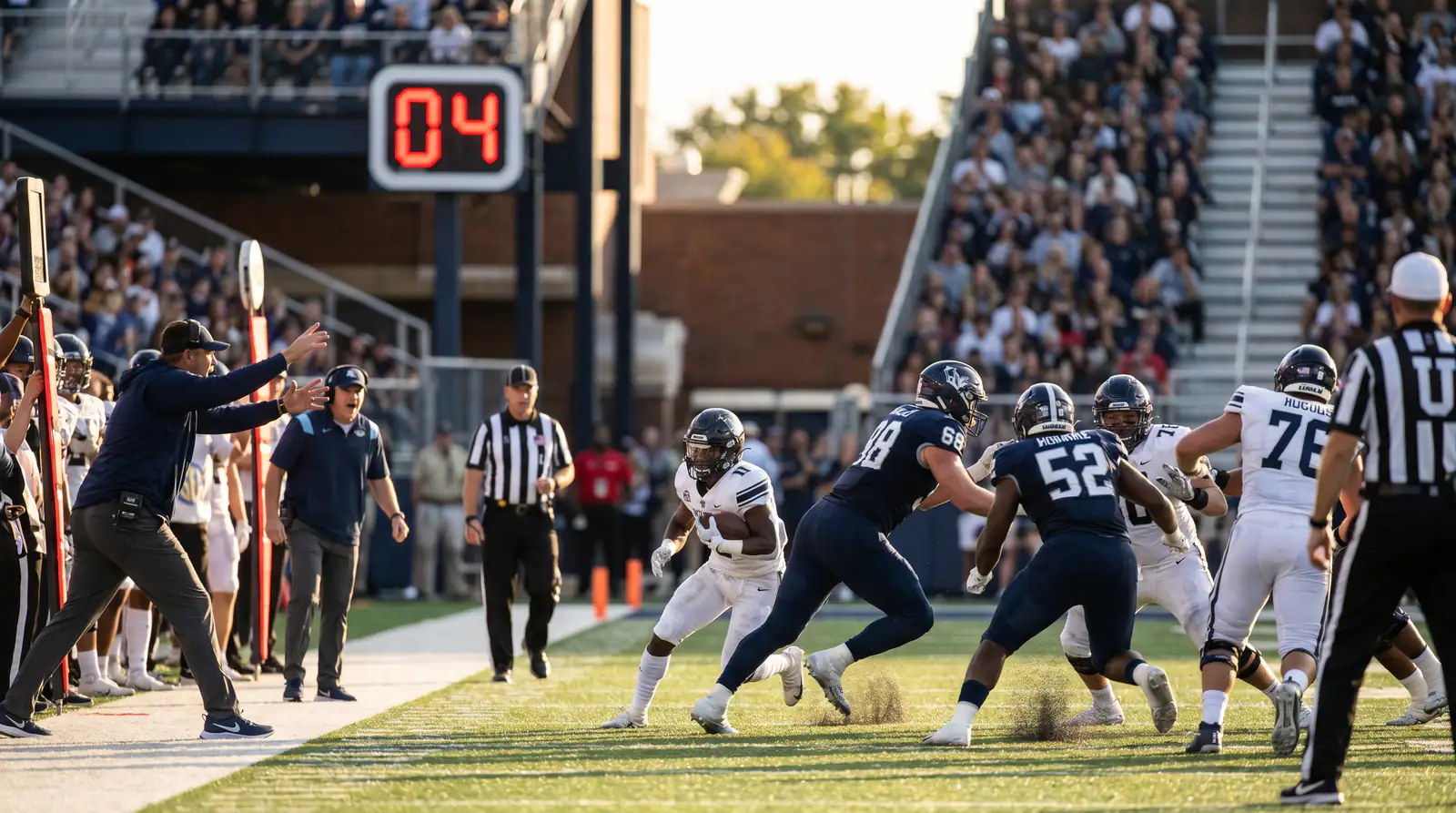
Most punters look at offence when betting totals. The defensive side is where the model leaks. A defence that generates pressure without blitzing pulls down the over more reliably than a defence that blitzes heavily and gives up explosive plays in exchange. A defence with a healthy starting cornerback room compresses the passing window. A defence missing two interior linemen invites 30-yard runs.
I track week-to-week injury reports for defensive linemen and starting corners as religiously as I track quarterback health. The market reacts strongly to skill-position injuries on offence and weakly to comparable injuries on defence, which means the under is often available at a slightly stale price when a defence has been quietly hollowed out by Thursday’s injury report. Q1 2025 statistics show 15% of UK men reported betting on sport against 4% of women, and a market that leans recreational tends to focus on the names everyone knows – quarterbacks, running backs, star receivers – at the expense of the names that decide whether a total cashes.
Live Totals After Halftime
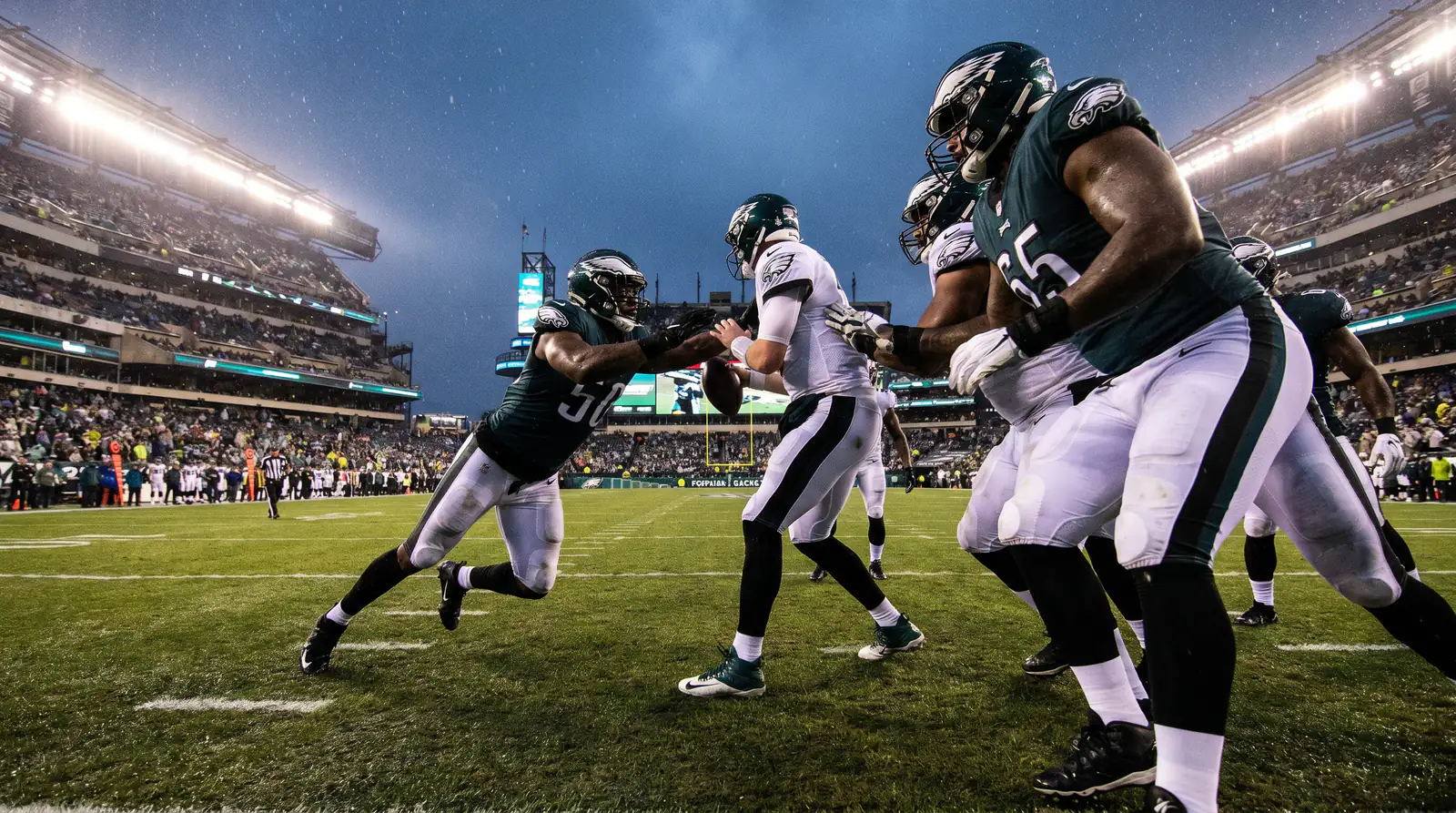
The second-half total is its own bet, and one of my favourite live windows. By halftime you have data: total points so far, both teams’ play rate, weather updates if relevant, and a clear read on whether the script is shootout, slog, or somewhere between. The market re-prices for the second half but tends to over-correct toward the first-half pace.
A game that goes 10-7 at halftime in cold weather will see the second-half total open low, often too low. Two NFL offences trail their first-quarter scoring patterns and accelerate as the game progresses, especially when one side is chasing points. A game that goes 24-21 at halftime tempts the over but routinely produces conservative second halves as both coaches manage tempo. I look for second-half spots where the first-half pace was an outlier in either direction – those are the live totals where the closing market underweights mean reversion.
Live totals work best when you have a feel for how second-half lines move relative to pre-match prices, which is exactly the territory the live in-play patterns I track during games covers in more depth.
The Bet I Make Most Weeks
If I had to pick one totals bet I make more often than any other, it is the cold-weather under in late November and December on a game between two teams that pass at average or below-average rates. The conditions force a slower game. The coaching tendency reinforces it. The market often hangs onto the season-long totals number until kickoff. The under wins more than it should at a fair price.
None of this is a system. All of it is a filter – a way of deciding which totals are worth my time on a Sunday morning and which I can safely scroll past. Filters compound. One season of treating totals as a real market rather than a guessing game changed my year-end numbers more than any other single adjustment I have made.

How much does a 15-plus mph wind move an NFL total?
In my records, a sustained 15-18 mph wind typically pulls a total down by 2.5 to 4 points relative to its calm-weather baseline, with most of the movement happening between Friday evening and Saturday afternoon as forecasts firm up. Above 20 mph the move can stretch to 5-6 points and the deep passing game effectively disappears for both teams.
Are dome games systematically overpriced on the over?
They are overpriced often enough to be worth watching. The public loves a dome over, books know it, and the closing line frequently sits half a point higher than the model suggests. That does not make every dome under a winner – far from it – but it does mean unders in domes deserve scrutiny when the matchup is defence-led or when one team plays at a slow pace.
Should I bet the second-half total or the full-game total?
Bet the one where you have the bigger edge. The full-game total reflects more information and more efficient pricing. The second-half total trades thinner and over-corrects to first-half pace, which creates the bigger gaps if you have read the script correctly. I bet roughly twice as many second-half totals as full-game totals on a typical Sunday.
