
 Available in US
Content

The Headline Number and the Footnote Number
I opened my first UK bookmaker account chasing a “Bet £10, Get £30” offer that took me three weeks to extract any value from and roughly six hours of careful planning to extract less than half of it. The headline was £30. The real value was closer to £11. The difference between those numbers is the entire business model of the UK welcome offer.
Online GGY for UK gambling reached £7.8 billion across the year ending March 2025, up 13.1% on the prior year, and a meaningful share of customer acquisition spend goes into welcome offers because those offers have been carefully calibrated to look more generous than they actually are. The headline is a marketing number. The expected value is a different number entirely.
The Four Offer Structures You Will See
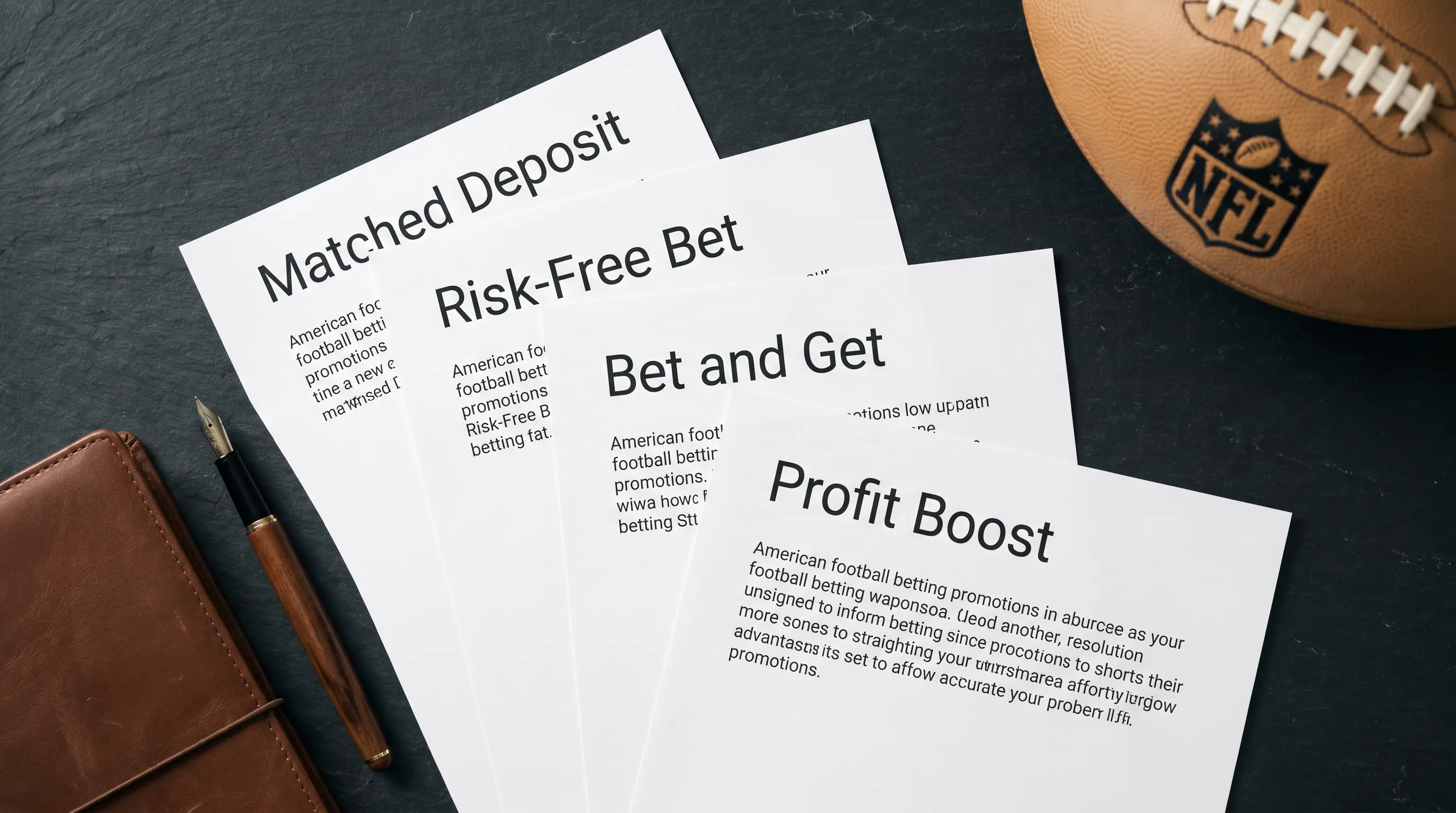
UK welcome offers cluster into four shapes. Matched deposit — deposit £50, get £50 in bet credits. Risk-free first bet — place a first bet up to £20, get a refund if it loses. Bet-and-get — bet a qualifying amount, receive a free bet on top. Profit boost — increased odds on selected first bets up to a stake cap.
None of these is inherently better than the others. They are different shapes of the same idea: the bookmaker fronts you some money, you have to wager it through their book, and a fraction of what they fronted will eventually convert to cash you can withdraw. The conversion rate depends on the structure, the terms, and how disciplined you are at extracting value from a free bet.
Average monthly active accounts on UK online operators ran at 13.5 million through Q1 2025, with online GGY up 7% year on year to £1.45 billion in that quarter. That activity supports a competitive welcome offer landscape, but competition has not made offers more generous in real terms — it has made them more cleverly structured.
Wagering Requirements and Why They Bite
A free bet at a UK book is not cash. It is a token. When you place a free bet, the stake is not returned with your winnings — you collect the profit only. A £10 free bet on a 2/1 bet returns £20, not £30. That is the first hit on conversion value.
Wagering requirements add the second hit. Some free bets require you to roll the credit through one or more qualifying bets at minimum odds before any winnings become withdrawable. Others have implicit wagering by virtue of the stake-not-returned mechanism — you have to keep betting until the variance settles into a withdrawable balance. Either way, the path from free bet to bank account is paved with additional decisions, each of which carries the bookmaker’s vig.
The mathematical conversion rate of a UK free bet ranges from 65% to 75% of face value if you play it optimally on roughly even-money selections. Play it on minus 500 favourites and the conversion rate drops sharply because the stake-not-returned mechanic eats most of the value. Play it on plus 1000 longshots and you almost always lose and end up with nothing. The optimal play is medium-odds bets you would have considered anyway.
Qualifying Bet Clauses You Should Read
The fine print on a UK welcome offer typically requires the qualifying bet to meet minimum odds — often evens or above — and excludes certain markets from counting. NFL is sometimes among the excluded markets, particularly during the off-season or in specific bet types like accumulators with one short-priced leg.

The most common pitfalls: betting a short-priced favourite that fails the minimum odds threshold, betting a market the bookmaker has quietly excluded from the offer (futures and outright markets are frequent exclusions), or settling the qualifying bet via cash-out, which voids the offer at most books. Each of these is documented in the terms but each is easy to miss when the qualifying bet is the obvious entry point.
I read the terms before opening any new account. It takes five minutes. It saves arguments later when a free bet does not credit because the qualifying bet violated some clause buried in section 4.2(c).
Expected Value of an Offer in Plain Numbers
Take a representative bet-and-get: stake £10 on odds of at least evens, receive £30 in free bets (three £10 tokens).
Your qualifying bet is a normal bet — it wins or loses at the implied probability of the price. On a £10 bet at evens you have a 50% chance of winning £10 and a 50% chance of losing £10, expected value close to zero before bookmaker vig pulls it slightly negative. So the qualifying bet is roughly a wash.
The three £10 free bets each have an expected conversion value of around £7 if you play them on medium-priced selections you would have made anyway. Three tokens at £7 each equals £21 of expected real money. Subtract the small negative EV on the qualifying bet and you have roughly £20 of real expected value from the £30 headline.

That is a genuine offer worth taking. It is not a £30 offer. It is a £20 offer with a £30 marketing sticker on the front. Across a year, opening three or four UK accounts and clearing welcome offers of this shape generates meaningful incremental bankroll for any UK NFL punter who is going to bet anyway. It is not gambling profit — it is the bookmaker subsidising your transition into their account, and the value is real provided you understand it.
The Red Flags in Terms and Conditions
Five patterns I refuse to accept on any welcome offer. First, free bet wagering requirements above 1x — anything that requires you to roll the free bet through multiple bets at minimum odds is designed to bleed the value out before you can withdraw it. Second, minimum odds on free bet placement above evens — some books force free bets onto 6/5 or shorter selections, which compresses the conversion ratio. Third, expiry windows shorter than 14 days — anything under two weeks is engineered to be forgotten about. Fourth, country or market exclusions that capture exactly the bets I would actually want to make. Fifth, hidden caps on maximum cash-out from free bet winnings.
If any of those flags appear, the offer is worth less than its headline and possibly worth nothing at all. Better to skip and find a cleaner offer elsewhere. The UK market is competitive enough that punters do not need to accept the worst structures.
The 15% of UK men and 4% of UK women who bet on sport in Q1 2025 represent a market the operators fight over hard. The welcome offer is the front line of that fight. Operators who advertise generous offers but smuggle in restrictive terms are betting that most customers will not read the small print. Read it.
The Realistic Approach to Welcome Offers
My approach: open three UK accounts at books with clean welcome offer terms during my first NFL season, extract the expected value from each over a 30-day window, and treat the resulting cash as bankroll seeding rather than profit. The actual bookmaker I keep using long-term is the one whose markets and pricing serve my actual betting style — bet builder depth, live betting markets, line shopping coverage — rather than the one whose welcome offer was nominally largest.
Welcome offers are entry-level value. They are real and they are worth claiming. They are also a small, finite piece of the broader bankroll equation. The punter who chases welcome offers across twenty accounts in a season has typically prioritised the wrong metric — the EV of one well-extracted offer at a good operator beats six offers extracted carelessly at mediocre books.
For the specific case of an established UK operator with deep NFL coverage and a competitive ongoing promotional stack, the Bet365 NFL markets review with depth, boosts and the bet builder walks through what the post-welcome promotional environment actually looks like.
Is a £30 free bet worth £30 in real terms?
No. The stake-not-returned mechanic plus implicit wagering reduces a £30 free bet to roughly £20-22 of expected cash value when played optimally on medium-priced selections. Played carelessly on heavy favourites or longshot accumulators, the conversion can drop below £15. The headline number is the marketing number; the realistic conversion rate sits around 65-75%.
Why can NFL be excluded from welcome offer markets?
Operators sometimes exclude NFL during specific windows — most commonly outside the regular season or on certain bet types like Super Bowl futures — because the markets are either thinly traded or carry promotional risk. Always check the qualifying markets list in the terms before placing your first bet, because a qualifying bet on an excluded market typically forfeits the entire offer.
